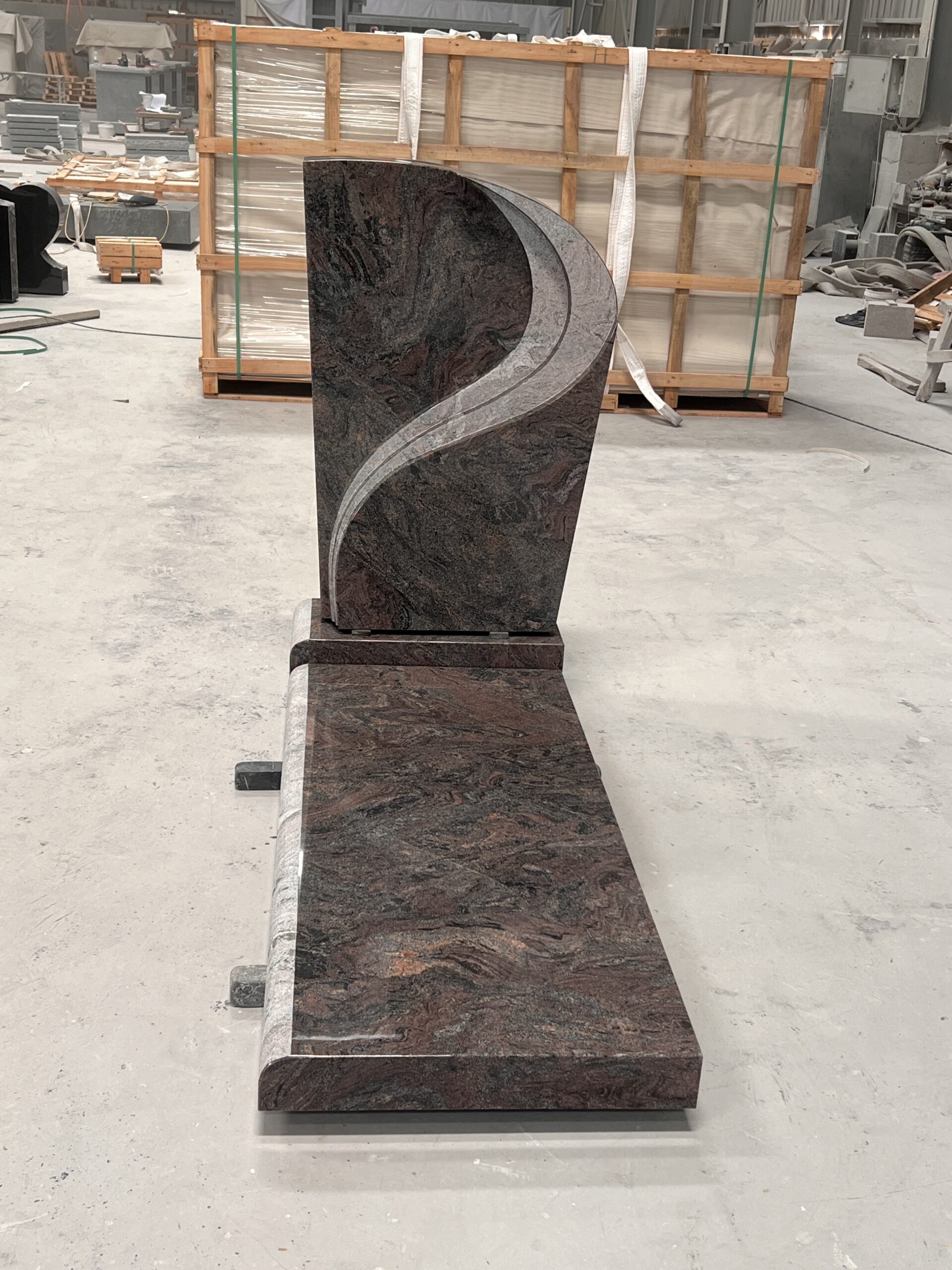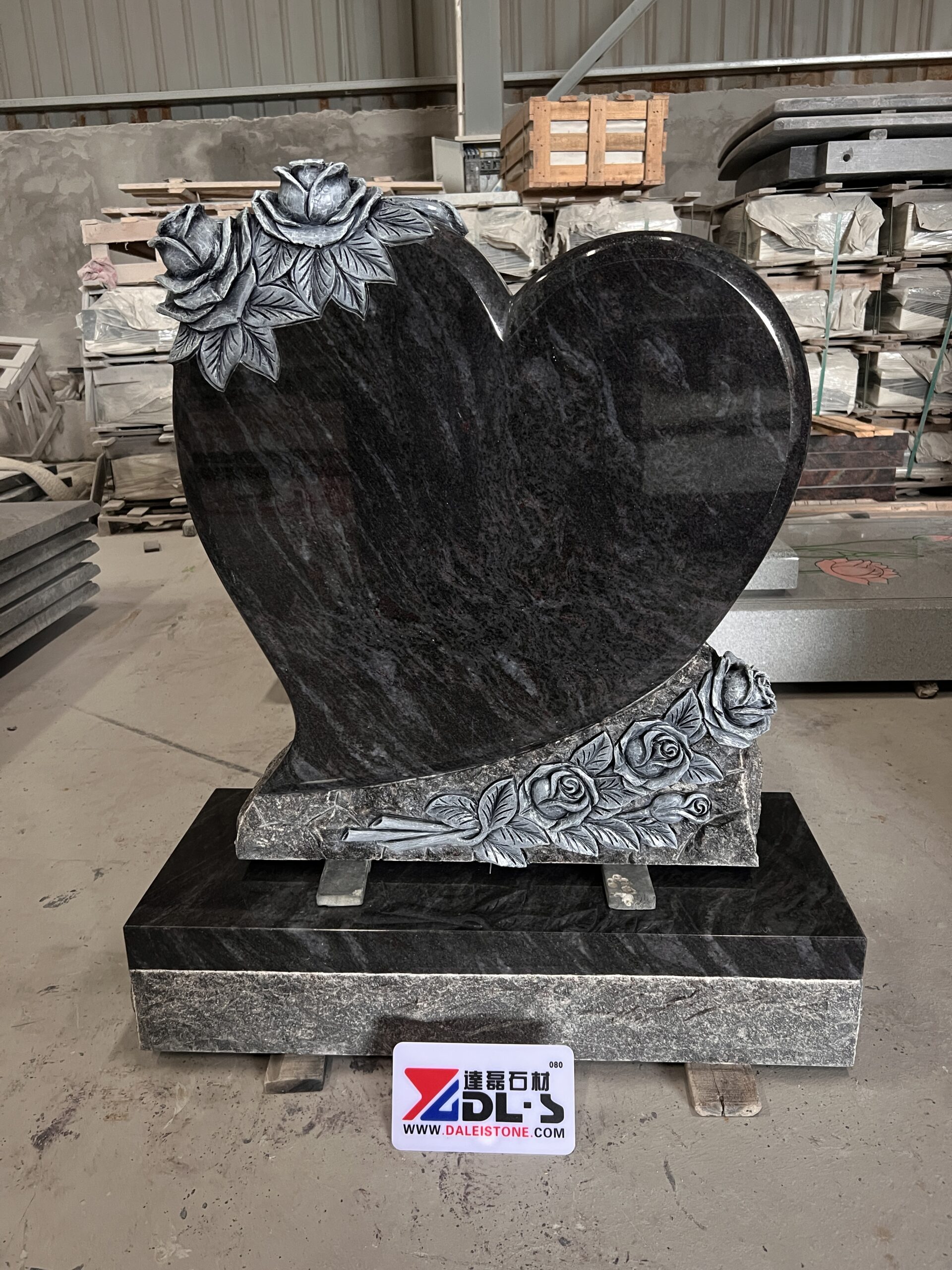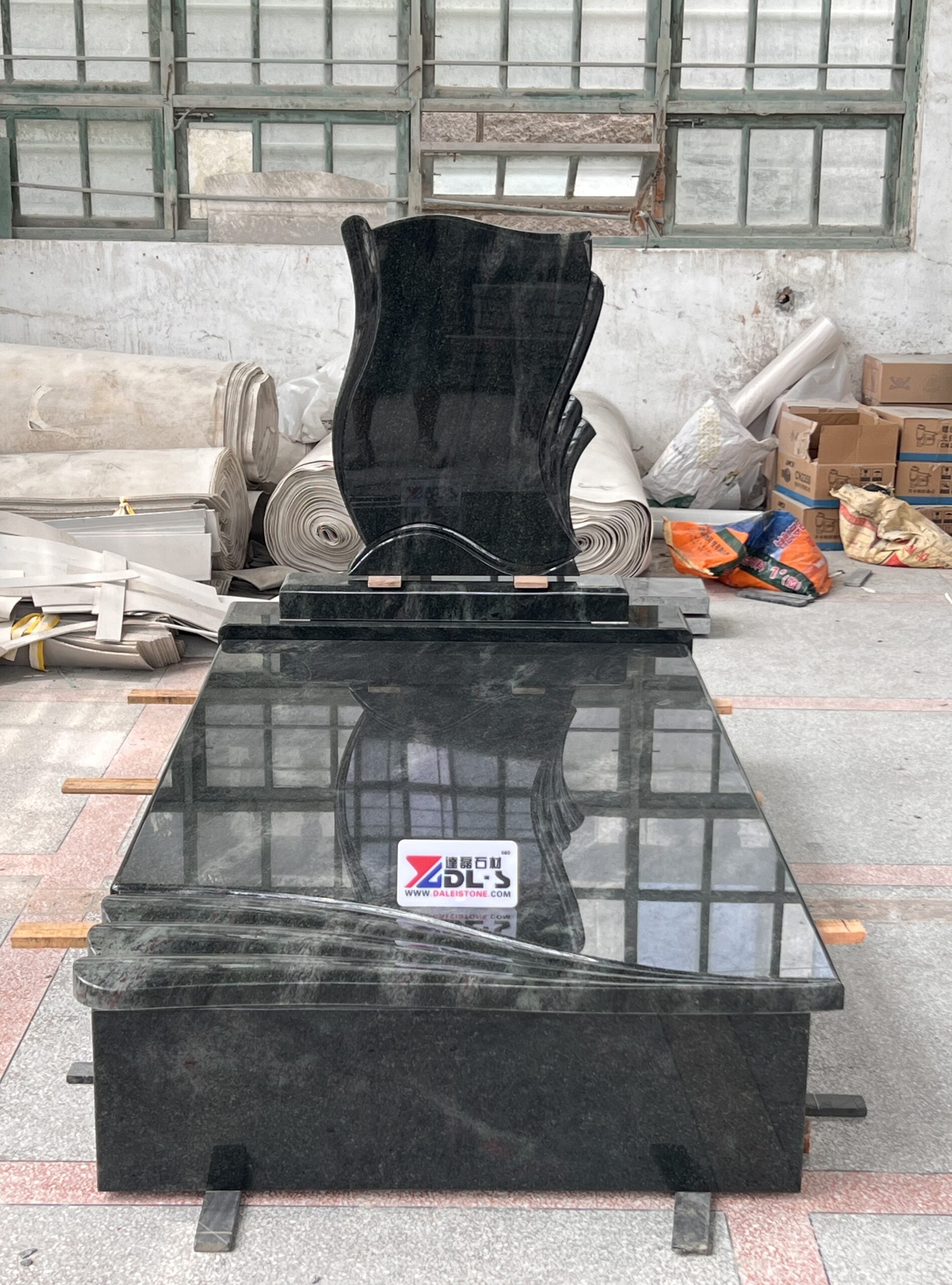


Romanian monuments stand as enduring emblems of a nation rich in history, artistry, and cultural significance. From medieval stone carvings in Transylvania to modern granite memorials found in public squares, these monuments blend spiritual depth with national pride. For centuries, Romanian artisans have mastered the art of stonework, transforming local materials into works that not only commemorate lives but also celebrate the values of remembrance, honor, and resilience.
As the demand for bespoke memorials and tombstones continues to grow internationally, Romania’s monument industry—rooted in old-world craftsmanship and adapted to contemporary standards—has gained increased recognition in global markets. Especially in the production of granite tombstones and religious monuments, Romania continues to offer a balance of quality, affordability, and artistry.
A Historical Legacy in Stone
The tradition of monument making in Romania can be traced back to Dacian times. From funerary mounds and Christian headstones in rural Moldova to Orthodox iconography etched into Carpathian granite, Romanians have long treated the grave as sacred space.
-
Medieval Period: Cross-shaped monuments made of limestone and sandstone, often decorated with Cyrillic inscriptions.
-
Ottoman and Austro-Hungarian Influence: During periods of foreign rule, Romanian monuments incorporated mixed styles, such as Ottoman motifs or Baroque ornamentation.
-
20th Century National Revival: Under King Carol I and later Ceaușescu, national identity was emphasized through imposing public memorials and standardized cemetery stones.
This deep historical lineage influences modern Romanian designs, often resulting in memorials that are more symbolic and emotionally evocative than generic global templates.

Monumento romeno
Material Excellence: Romanian Granite and Beyond
Romania has a wide variety of natural stones, including granite, limestone, basalt, and andesite. Among these, Deva Grey Granite, Mociu Red Granite, and Transylvanian Black Stone are commonly used in tombstones and memorial monuments.
| Stone Type | Color/Texture | Aplicações | Durability (Years) | Quarry Location |
|---|---|---|---|---|
| Deva Grey Granite | Light grey, fine grain | Tombstones, statues, plinths | 100+ | Hunedoara County |
| Mociu Red Granite | Reddish with flecks | Gravestones, church memorials | 90+ | Cluj County |
| Transylvanian Black Stone | Deep black, polished | Orthodox crosses, name plaques | 120+ | Apuseni Mountains |
| Ruschita Marble | Creamy white | Mausoleums, interior memorials | 80–100 | Carpathians (Ruschita) |
These materials not only reflect Romania’s geological wealth but also contribute to the high-quality perception of its monument exports. The country’s long winters and fluctuating climate conditions have made local stones more durable than many imported alternatives.
Orthodox Influence and Symbolism
A unique feature of Romanian monuments is their deep connection to Eastern Orthodox Christianity. Traditional elements include:
-
Double-barred crosses (Crucea Ortodoxă)
-
Engraved icons such as St. George or the Virgin Mary
-
Inscription panels bordered with vine, grape, and oak motifs symbolizing eternal life
Most Romanian tombstones integrate both personal details and symbolic imagery. It’s common to see not only the name and birth/death dates but also prayer texts, family crests, or even depictions of the deceased in religious scenes.
Types of Romanian Monuments
1. Cemetery Tombstones
The most common type, available in both standard and custom formats. Romanian granite tombstones are typically upright slabs, often with polished fronts and rustic backs. CNC technology allows for precision engraving in multiple languages.
2. Mausoleums and Family Crypts
Used by wealthier families or religious institutions. These are multi-person burial chambers made from high-grade materials like Ruschita marble or Deva granite.
3. Public Monuments
War memorials, sculptures, and statues erected in memory of historic figures such as Mihai Viteazul or Avram Iancu.
4. Cross-shaped Memorials
Inspired by ancient Dacian and Orthodox traditions, often erected in remote countryside graveyards.
Craftsmanship and Techniques
Modern Romanian monument producers combine traditional stone-carving skills with new technologies:
-
CNC engraving machines for precision lettering and portraits
-
Sandblasting to create depth and texture
-
Polishing machines for mirror-like finishes
-
Laser etching of photographic images
-
3D modeling for complex sculpture design
Despite technological advancements, the final touches—especially religious carvings and floral borders—are often still completed by hand. This blend of automation and handcrafting ensures artistic uniqueness.
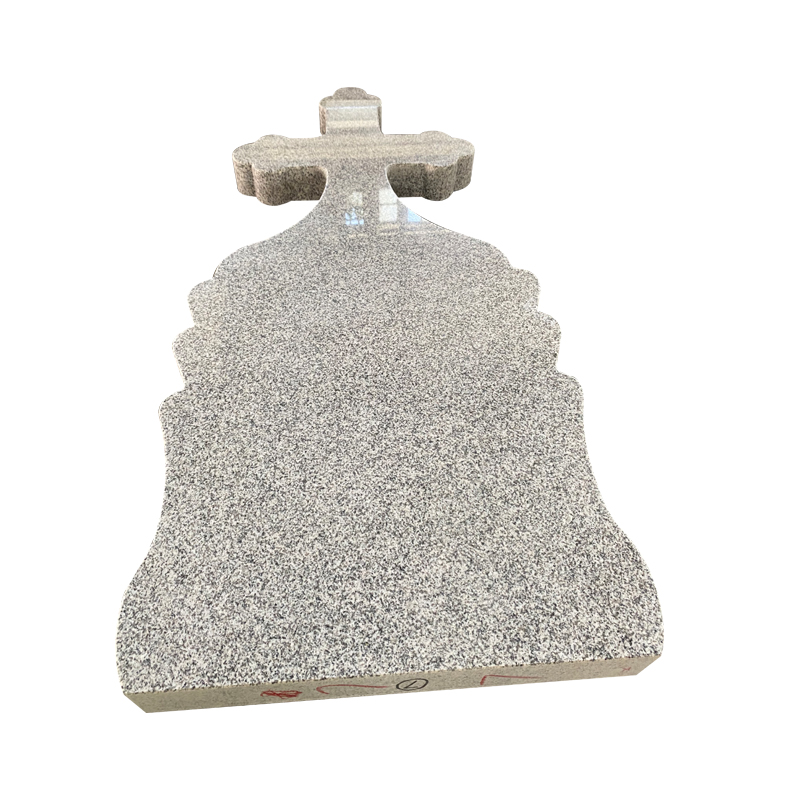
G603 Cross Headstone in Grey Granite
International Appeal and Export Market
Thanks to its competitive pricing, ethical quarrying practices, and artistic reputation, Romania’s monument industry has become a favored exporter in Europe and beyond.
Export Destinations:
-
Italy & Spain: For Orthodox and Catholic cemeteries
-
France & Belgium: Custom memorial plaques
-
USA & Canada: Affordable granite tombstones for Romanian diaspora
-
Middle East: Custom religious symbols and bilingual inscriptions
Most Romanian manufacturers offer flexible OEM/ODM services, multilingual inscriptions (Romanian, Cyrillic, Latin, Hebrew, Arabic), and delivery in containerized batches for international orders.
Romanian Monument vs. Other Countries (Comparison Table)
| Criteria | Monumento romeno | Italian Monument | Chinese Monument | Indian Monument |
|---|---|---|---|---|
| Main Material | Local granite, marble | Carrara marble | Shanxi Black, G603 | Black Galaxy, Red Multi |
| Artistic Detailing | Orthodox + folk art | Classical elegance | Simple, polished | Bold carvings |
| Price Point | Mid-range | High | Low | Low-Mid |
| Export Flexibility | High | Medium | High | High |
| Custom Religious Symbols | Yes | Limited | Yes (basic) | Yes (Hindu focus) |
Challenges in the Industry
Despite its strengths, the Romanian monument sector also faces certain challenges:
-
Workforce shortage: Young people are less likely to take up the traditional stonemason trade.
-
Quarry access restrictions: Due to EU environmental regulations, certain quarries face operational limitations.
-
Shipping costs: Heavy stone products incur high freight expenses for overseas buyers.
However, many leading Romanian exporters have adapted by offering flat-packed monuments, digital previews, and partner warehouses abroad.
Choosing a Romanian Monument Supplier
If you’re seeking a reliable partner for custom memorials or tombstones, consider the following when selecting a Romanian monument manufacturer:
-
Materials Sourced Locally? (Quarry-to-factory integration lowers costs)
-
Custom Design Capabilities? (3D modeling and multilingual support)
-
Finish Quality? (Inspect sample images or request samples)
-
Lead Time and Freight Options? (Ensure they can ship LCL/FCL globally)
-
Certifications? (ISO, CE, religious authority approvals if required)
Sustainability and Future Trends
As the global demand for eco-conscious production increases, Romanian monument makers are investing in:
-
Water recycling systems for polishing processes
-
Dust collection and filtration
-
Digital engraving to reduce waste and time
-
Reusable molds for memorial plaques
Additionally, the rise of QR code integration on tombstones (linking to life stories or family trees) is being slowly adopted in Romania’s urban cemeteries.
A Romanian monument is not merely a marker of death—it is a statement of identity, faith, and cultural legacy. Through skilled craftsmanship, ethical sourcing, and a deep connection to heritage, these memorials have gained rightful admiration in both domestic and international markets. Whether for personal remembrance or community heritage, Romanian granite and marble monuments continue to uphold a timeless tradition of stone artistry.