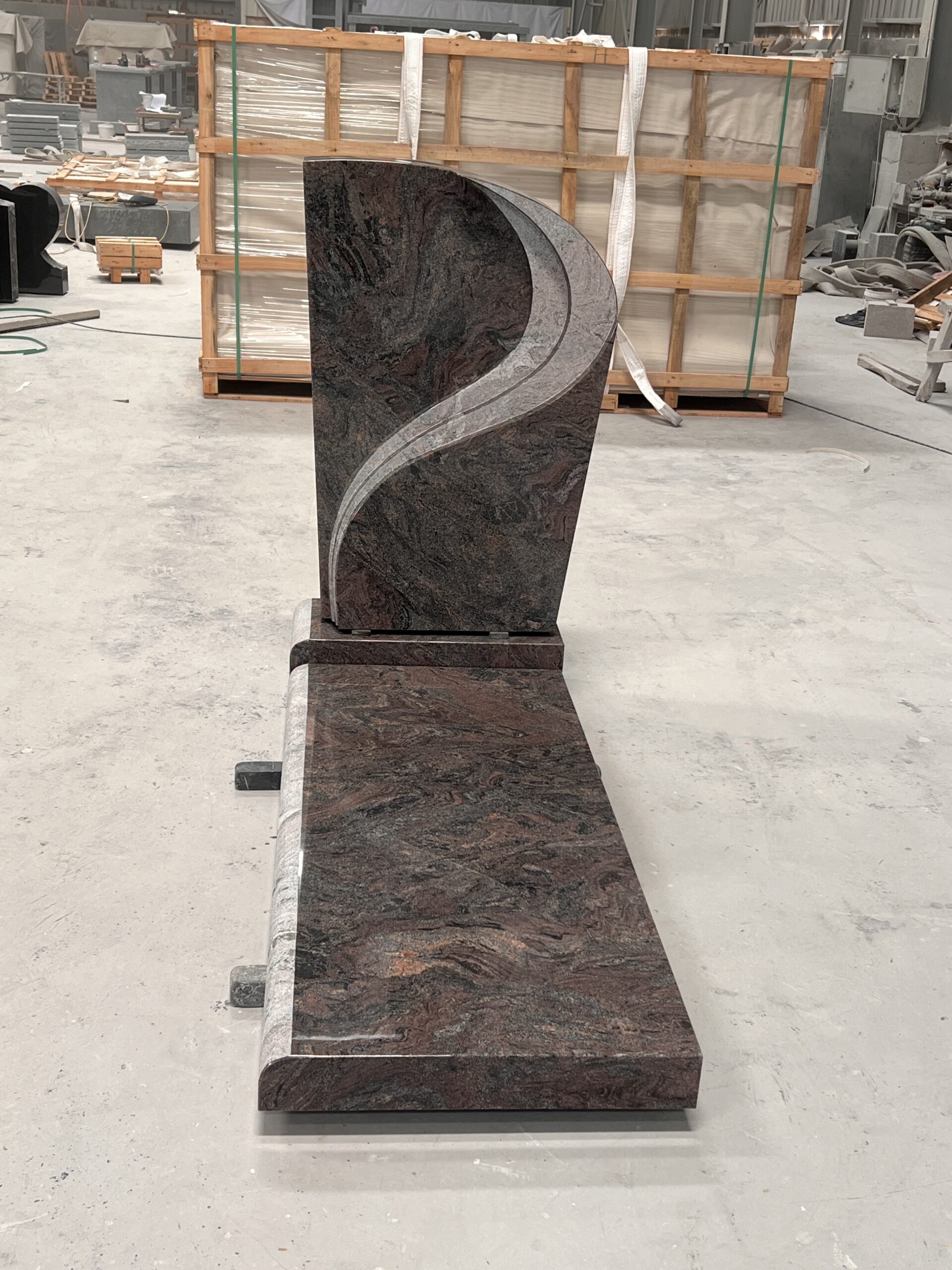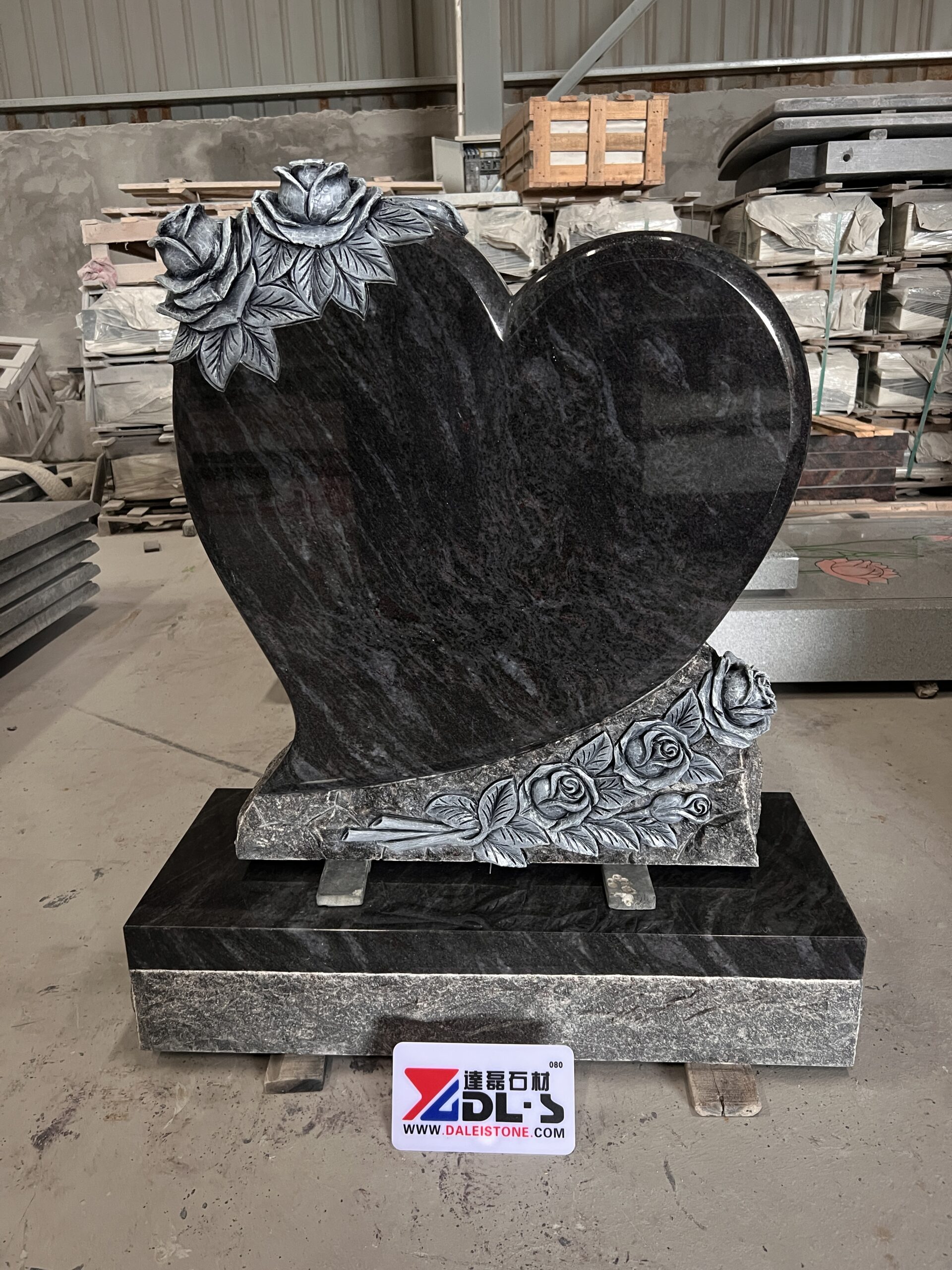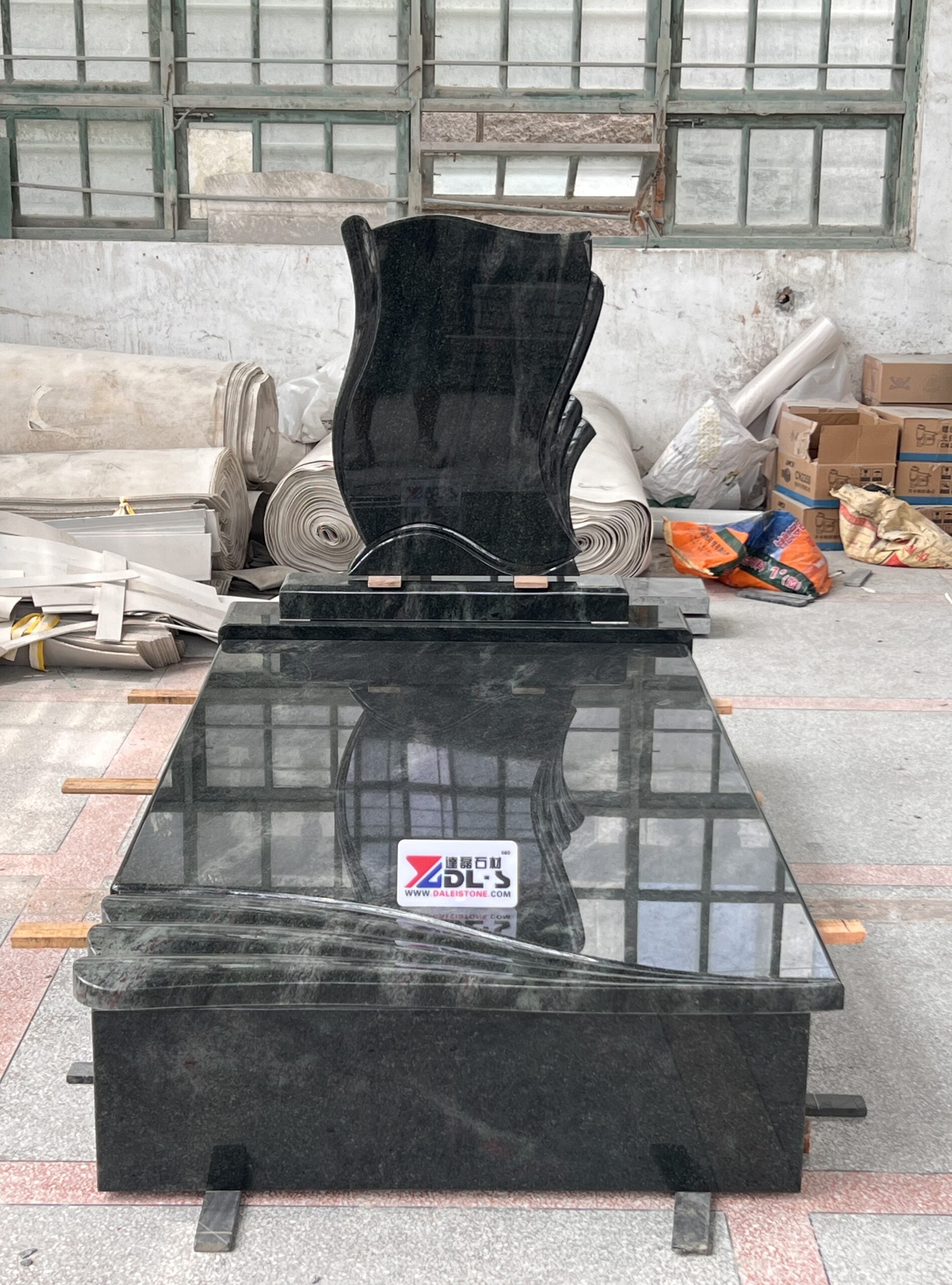


In Poland in central Europe, tombstones are not only symbols to commemorate the dead, but also vivid history books engraved with history, culture and art. They stand in various cemeteries with unique postures, quietly telling the past of this land. Poland, a country with a history of thousands of years, has experienced countless ups and downs, honors and disgraces, and tombstones are silent witnesses of these historical changes. From the glory of the feudal dynasty to the suffering of being divided many times, from the heavy trauma of World War II to the reconstruction and revival after the war, every period of history has left deep or shallow traces on the tombstones, attracting countless people to explore the mysteries.
The historical origin of Polish tombstones
(I) Ancient origin and early development
The history of Polish tombstones can be traced back to ancient times. In the early days, the burial form in Poland was relatively simple, and tombstones were mostly natural stones or roughly processed slabs. These early tombstones were mainly used to mark the location of the tombs. They were mostly made of stones that were easily available locally, and the shapes were irregular. The carvings or inscriptions on them were very rare. Most of them were designed to allow future generations to identify the cemeteries of families or individuals, reflecting the basic identification needs of people at that time for the resting place of the deceased. For example, in some early tombs discovered in archaeological excavations, the tombstones were just large stones that were not finely carved standing next to the tombs. Except for the name of the deceased, there were almost no other decorations.
(II) Evolution in the Middle Ages
With the widespread spread of Christianity in Poland, medieval Polish tombstones underwent significant changes in design and symbolism. Religious elements became the core theme of tombstones, and the cross became the most common carving pattern, symbolizing Christian beliefs and the expectation of salvation for the souls of the dead. At this time, the materials of tombstones gradually diversified, and marble and sandstone began to be widely used. These stones had a finer texture and were easy to carve complex patterns and religious scenes. In addition to the name and date of birth and death of the deceased, religious images such as saints and angels would also appear on the tombstones to express their good wishes for the deceased to ascend to heaven. The tombstones of nobles and clergy were often more exquisite, with exquisite carving craftsmanship, showing the superb artistic level of the time and reflecting the differences in social classes in tomb culture. For example, the tombstones of clergy in some church cemeteries are engraved with scenes related to religious ceremonies and symbols representing their religious status.
(III) Modern changes
Since modern times, Poland has experienced many wars and social changes, which have profoundly affected the form and connotation of tombstones. The two world wars brought great pain to Poland, and a large number of war monuments and soldiers’ tombstones emerged. These tombstones are not only a commemoration of individuals, but also a commemoration of the history of war and a prayer for peace. War monuments are usually large in scale and solemn in design. They are engraved with the names of many fallen soldiers and have become a symbol of national and ethnic memory. At the same time, with the development of society and the change of people’s concepts, modern Polish tombstones pay more attention to personalization and emotional expression. In addition to traditional religious elements, some tombstones have begun to incorporate personal elements such as the hobbies and occupations of the deceased, showing the life of the deceased in a unique way. For example, tombstones commemorating musicians may be engraved with musical notes and musical instrument patterns, reflecting their love of music.
The cultural connotation of Polish tombstones
(I) The embodiment of religious elements
Poland is a country deeply influenced by Christianity, and Christian elements can be seen everywhere on Polish tombstones. The cross is the most prominent symbol, and it can be found on almost every tombstone. It stands tall on the top of the tombstone or is carved in the center of the tombstone, symbolizing the suffering and redemption of Jesus Christ. For the Poles, the cross represents the power of faith, and they believe that the deceased can ascend to heaven and gain eternal peace through the redemption of Jesus. In addition to the cross, icons are also common religious elements, such as the Virgin Mary and saints. These icons are delicately carved and serene, and people hope to use the blessing of the icons to let the souls of the deceased rest in peace. In some traditional Polish cemeteries, the Virgin Mary on the tombstone is often portrayed as gentle and loving, as if guarding the deceased and giving them the last care. The widespread use of religious elements on Polish tombstones reflects the deep roots of religion in Polish social life and its profound influence on people’s spiritual world. It is not only a blessing to the deceased, but also an intuitive expression of the religious beliefs of the living.
(II) Family and identity symbols
Polish tombstones are often an important manifestation of family inheritance. Many tombstones are engraved with family emblems, which are symbols of family history and honor. The patterns on the emblems may include various symbols, such as animals, weapons, plants, etc. Each pattern has a specific meaning, representing the origin, achievements or special inheritance of the family. Through these emblems, descendants can trace the origins of the family and learn about the stories of their ancestors. For example, a family emblem may have an eagle, representing the family’s bravery and strength; or a sword, symbolizing the family’s heroic performance in war. At the same time, tombstones also reflect the status of the deceased. For some nobles or people with higher social status, tombstones are often more magnificent, with more sophisticated carvings and more high-end materials such as marble. The tombstones of ordinary people are relatively simple and plain. In addition, some tombstones are engraved with the deceased’s professional symbols, such as craftsmen’s tools, merchants’ coin symbols, etc., showing the deceased’s professional identity during his lifetime and becoming a unique footnote to their life experiences.
(III) Expression of commemoration and remembrance
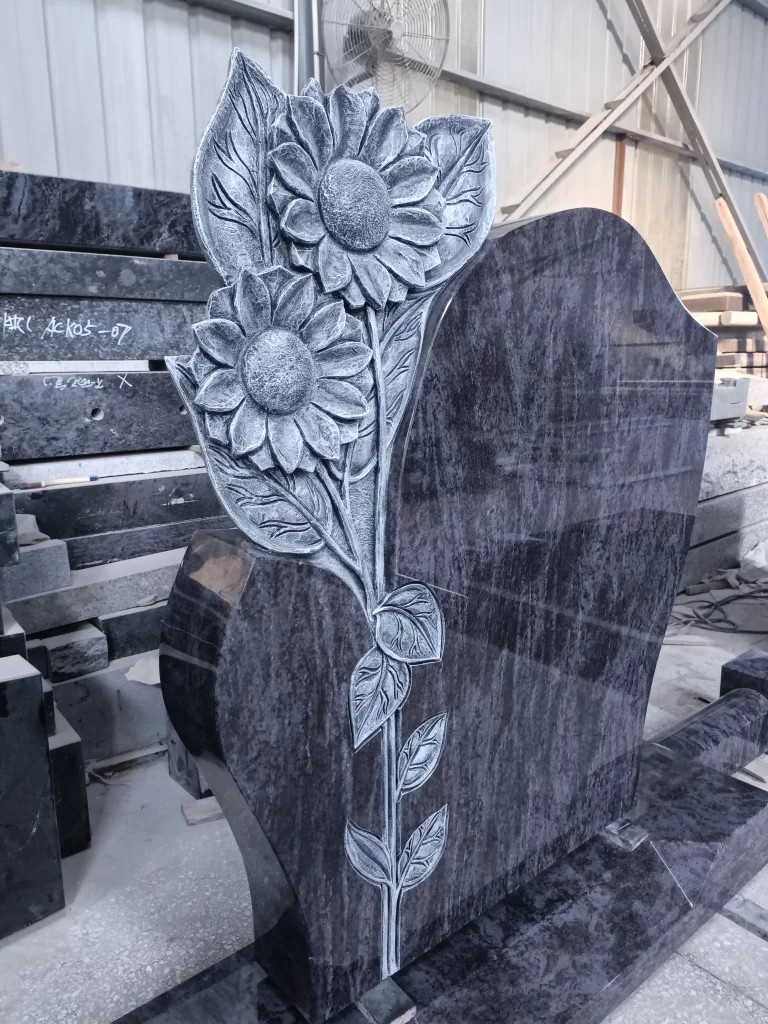
Polish tombstones carry people’s deep commemoration and remembrance of the deceased. Inscriptions are an important way to express this kind of emotion. They are usually engraved with the name, date of birth and death of the deceased, and some affectionate words. These words may be a brief review of the deceased’s life, or they may be the thoughts and blessings of their family and friends. Some inscriptions will tell about the good qualities of the deceased, such as kindness and diligence, while others will express the reluctance and endless longing for the deceased’s departure. In addition to inscriptions, the decoration of tombstones is also full of emotions. Some tombstones will be engraved with flower patterns, such as roses and lilies. Flowers symbolize the beauty of life and the purity of the deceased, expressing the living’s praise and remembrance of the deceased. Some tombstones will also display photos of the deceased so that people can remember their faces more intuitively. On special anniversaries, family members will also offer flowers and light candles in front of the tombstone to further express their remembrance of the deceased. These tombstones have become the emotional connection between the living and the deceased, so that the memory of the deceased will always be fresh in people’s hearts.
Artistic style and characteristics of Polish tombstones
(I) Fusion of architectural styles
Polish tombstones are like small exhibition halls of architectural styles, which cleverly integrate multiple architectural style elements. The Gothic style left the mark of towering spires and exquisite stained glass patterns on the tombstones. The spires extend upward, as if to break through the sky and connect with God, reflecting the pursuit of holiness and eternity. The stained glass patterns add a mysterious and solemn atmosphere to the tombstones with complex geometric shapes and exquisite lines. The Baroque style gives tombstones gorgeousness and dynamism, and makes extensive use of curves and exaggerated decorations, such as spiral columns and dynamic figure statues. These elements make tombstones full of vitality and drama, showing a strong artistic appeal. Neoclassical tombstones pursue simplicity, symmetry and solemnity, with classical columns and simple lines as the main features, reflecting the respect for the aesthetics of ancient Greek and Roman architecture. For example, in some aristocratic cemeteries, the design of the tombstones draws on the columnar structure of ancient Greek temples, and with the simple body of the tombstone, it shows a noble and elegant temperament. The fusion of these different architectural styles makes Polish tombstones present a rich and diverse artistic style, and each tombstone seems to be telling a different architectural story.
(II) Carving craftsmanship and decorative details
The carving craftsmanship on Polish tombstones is exquisite and shows a very high artistic level. The character carvings are lifelike, whether it is the delicate depiction of facial expressions or the vivid presentation of body movements, it seems that people can feel the emotions and vitality of the characters. Through their superb skills, the sculptors have portrayed the images of the deceased or religious figures such as saints and angels, and their eyes and expressions are full of charm. The flower carvings are delicate and soft, and the texture of the petals and the details of the stamens are carefully carved. Each flower seems to bloom on the tombstone, exuding vitality and beauty. The beauty of roses and the purity of lilies are perfectly presented. Animal carvings are full of lively beauty, such as eagles with spread wings and running horses. They are vigorous and seem to be able to jump out of the tombstone at any time. These decorative details not only have extremely high artistic value, but also contain profound meanings. Figure carvings represent the identity and story of the deceased, flowers symbolize beauty and blessings, and animals may imply qualities such as strength and courage. Together, they constitute the unique artistic language of Polish tombstones.
(III) Selection and application of materials
The materials commonly used in Polish tombstones include stone and metal. Among stones, marble is favored for its delicate texture and beautiful texture. It can be carved into extremely fine patterns, with a smooth surface, giving people a sense of nobility and elegance. Many exquisite religious statues and complex decorative patterns are carved on marble tombstones, making them masterpieces of art. Sandstone is relatively soft and easy to carve, suitable for expressing some works with rich details and complex shapes. Its color is simple and adds a sense of historical heaviness to the tombstone. Metal materials such as copper are often used to make decorative parts or small tombstones on tombstones. Copper has good ductility and can be made into various exquisite shapes. Over time, it will gradually form a unique patina, adding to the charm of the years. Different materials have an important impact on artistic effects. The nobility of marble, the simplicity of sandstone, and the exquisiteness of copper all provide rich possibilities for the artistic expression of Polish tombstones, making them show unique charm in the selection and use of materials.
Famous Polish tombstones and related attractions
(I) Tombstones of St. John’s Cathedral
St. John’s Cathedral is located in Warsaw, the capital of Poland. It is a building with important historical significance and religious status. Many important figures in Polish history rest in this church, and their tombstones have become a unique cultural landscape in the cathedral. Among them, the tombstones of some nobles and clergy are particularly eye-catching. Noble tombstones are usually engraved with family emblems and exquisite patterns, showing the glory and status of the family. The various symbols on the emblem, such as the lion representing courage and the eagle representing strength, all contain profound meanings. The tombstones of clergymen embody more religious elements, with carvings of holy images and religious symbols, expressing their piety in faith and their contributions to religious causes. These tombstones are not only a commemoration of the deceased, but also a precious witness to Polish history and culture. They carry the social outlook and people’s values of that era, attracting countless tourists and history enthusiasts to explore the glory and stories of Poland’s past.
(II) Tomb of the Unknown Soldier
The Tomb of the Unknown Soldier is located in Piłsudski Square in Warsaw and is an important national memorial site in Poland. Its tombstones are solemn and solemn, and express the lofty respect for the unknown martyrs who sacrificed for the country and the nation in a concise and powerful way. The tombstones are usually engraved with patterns and words symbolizing national honor and the spirit of martyrs. The eternal flame in front of the tomb burns brightly and never goes out, symbolizing that the spirit of the martyrs will always exist and inspire the Polish people. Soldiers perform solemn changing of guard ceremonies every day. Their neat steps and firm expressions reflect the country’s respect for the martyrs and the memory of this period of history. This is not only a place for Polish people to remember their martyrs, but also an important diplomatic etiquette place. When foreign dignitaries visit, they often come here to lay wreaths to express their respect for the Polish martyrs and the Polish nation. The Tomb of the Unknown Soldier has become a symbol of the Polish national spirit, embodying the patriotic feelings of the Polish people and their deep feelings for the country’s history.
(III) Jewish Tombstone Sites
In the history of Poland, Jews once played an important role. However, during World War II, the atrocities of Nazi Germany brought a catastrophe to the Polish Jews. In the Polish town of Lezaisk, a heartbreaking but significant event occurred. At a construction site in a market, workers dug out more than 150 Jewish tombstones under the asphalt road. These tombstones were taken away by the Nazis during World War II as paving materials. They are cruel witnesses of that dark history. About 100 tombstones still remain intact, and another 50 have been broken into small pieces and used as roadbed fillers. Some of the tombstones still retain the colors of blue, green, yellow, and red, as well as inscriptions written in Yiddish. The discovery of these tombstones reminds people of the sufferings of the Jews during World War II, and has become a precious material for studying the history and culture of Polish Jews. They are not only a commemoration of the deceased, but also a remembrance of historical tragedies, reminding people to cherish peace and oppose war and racial persecution. The cultural value and historical significance behind them attract many historians, cultural researchers, and people who pay attention to the history of World War II to explore and remember.
Conclusion: The eternal charm of Polish tombstones
Polish tombstones, with their profound historical heritage, rich cultural connotations, and unique artistic style, have become a unique and eternal landscape in Polish culture. They are faithful recorders of history. From the simple marks of ancient times to the religious symbols of the Middle Ages, and then to the diverse expressions of modern times, each tombstone carries the memory and stories of the times. At the cultural level, religious elements, family symbols, and commemorative feelings are intertwined on the tombstones, reflecting the values and spiritual world of Polish society. Artistically, the fusion of various architectural styles, exquisite carving techniques and clever use of materials make it an amazing piece of art. Whether it is the noble tombstones in St. John’s Cathedral, the solemnity of the Tomb of the Unknown Soldier, or the historical vicissitudes of the Jewish tombstone sites, they all attract people to explore and feel. Polish tombstones are not only a commemoration of the deceased, but also a window to understand Polish history, culture and art. Their charm will always exude a unique light, waiting for more people to discover and appreciate.